
Bèlè in Martinique: Origins, Dance and Music
Bèlè is one of Martinique’s most iconic cultural expressions. Combining music, singing and dance, this Martinican tradition is notably centred around the bèlè drum and the ti-bwa.
Passed down from generation to generation, bèlè tells part of the island’s history and continues to keep alive a musical and cultural heritage deeply rooted in Martinique.
What is bèlè?
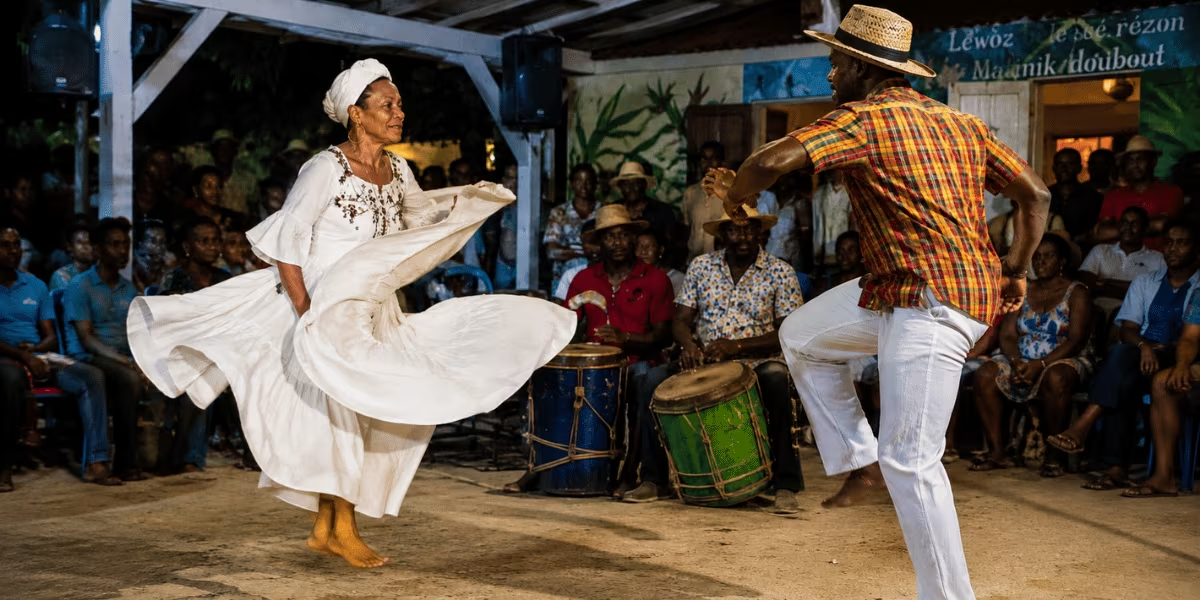
Bèlè is a Martinican cultural practice in which musicians, singers and dancers interact to the rhythm of the drum. The singing notably follows a call-and-response pattern between the lead singer and the répondè, while the ti-bwa keeps the rhythm.
Dance also plays an essential role. The dancers’ movements and the drumming respond to one another, creating a true dialogue between dance, music and singing.
The origins of bèlè in Martinique
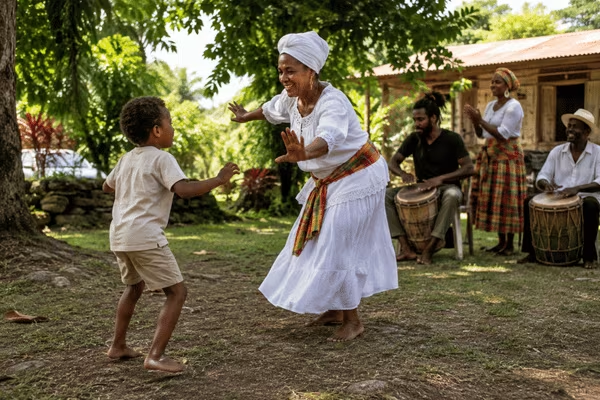
Bèlè has its roots in Martinique’s history, particularly during the period of slavery. It developed from a predominantly African heritage, enriched over time by influences and realities specific to Martinican society.
Through singing, drum rhythms and dance, bèlè has long accompanied different aspects of community life, including work, gatherings and celebrations. Passed down from generation to generation, this practice has evolved while retaining an important place in Martinique’s cultural heritage.
Bèlè: Where Music Meets Dance
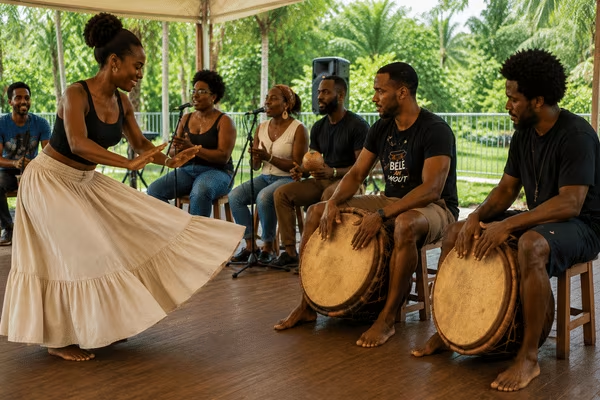
Bèlè is built around the interaction between music, singing and dance. The music is mainly driven by the rhythm of the bèlè drum and the ti-bwa, two sticks struck against the back of the drum to maintain a steady rhythm.
The lead singer, known as the lavwa, begins the song and is answered by the répondè, a group of singers forming the chorus. The dancers move to the rhythm of the music, while their movements interact with the drumming: the tambouyé, who plays the bèlè drum, notably adapts their playing to the dance.
This interaction between the drum, singing and dancers is one of the defining characteristics of bèlè.
Where can you discover bèlè in Martinique?
Bèlè is a vibrant tradition that is still very much alive in Martinique. Several venues, associations and events offer opportunities to discover this cultural practice, attend performances or even try bèlè dancing and drumming.
La Maison du Bèlè in Sainte-Marie
Located in Sainte-Marie, La Maison du Bèlè is a cultural centre dedicated to preserving, promoting and passing on the bèlè tradition. Founded in 2003, it offers exhibitions, tours, introductory sessions, dance and drumming classes, as well as gatherings and events centred around this Martinican tradition.
Bèlè during the 22 May commemorations
On 22 May, the day commemorating the abolition of slavery in Martinique, bèlè also plays an important role in various cultural events held across the island. Gatherings, parades, dance performances and other events provide an opportunity to discover this tradition in a context closely connected to Martinican history and collective memory.
As programmes may vary from year to year, remember to check local cultural calendars and events taking place during your stay.

Continue exploring Martinique
Bèlè is just one of the many expressions of Martinique’s cultural heritage. Creole language, zouk, cuisine, festivals and traditions also reflect the richness of the island’s culture. Continue exploring Martinique through our dedicated articles.
Kassav and Zouk
Kassava, the zouk group derived its name, is a cassava flour pancake.Reserve your rental car in Martinique and find everywhere on the island, the Caribbean traditions that are largely responsible for Kassav.
Martinique Carnival
Vaval, Carnival days, costumes and parades… Discover the highlights and traditions of Martinique Carnival, one of the island’s must-see celebrations.
5 Dates That Shaped Martinique
From 1502 to 1946, discover 5 key dates that shaped Martinique’s history and help explain the island as it is today.
Christmas in Martinique
Spending Christmas in Martinique is the perfect opportunity to change worlds and discover a particular, exotic, folkloric way of celebrating the event. Forget the snow on the sand of the island, discover another magic of Christmas.

Sign up for our newsletter
And receive our promo codes and exclusive car rental offers in Martinique, delivered straight to your inbox.


