
All the Exotic fruits of Martinique by seasons
Seasonal fruits and vegetables in Martinique: a guide to eating local all year round
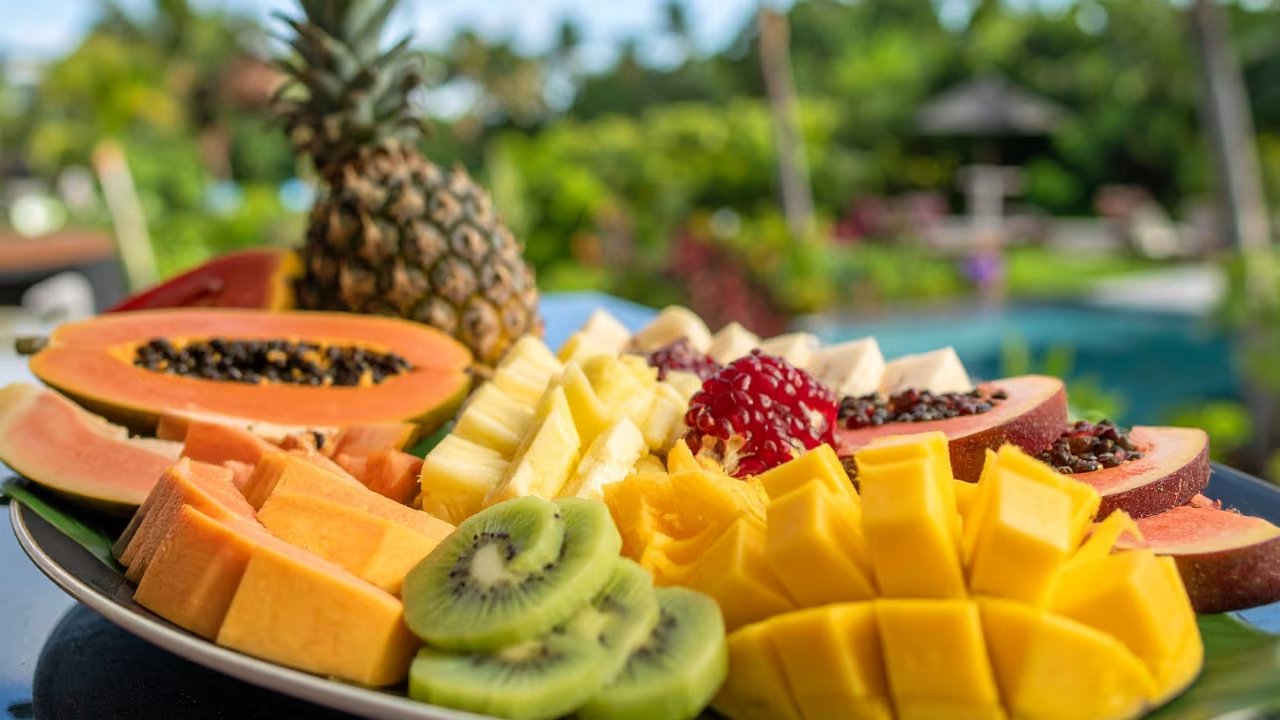
In Martinique, seasonal fruits and vegetables play an essential role in everyday life and local culture. Thanks to a warm and humid tropical climate all year round, the island enjoys a wide variety of agricultural products, grown throughout the seasons and available at markets, from producers, or roadside stands. Eating seasonally in Martinique means enjoying tastier products that are better suited to the climate and deeply rooted in Creole culinary traditions.
Fruits and vegetables available year-round in Martinique
What fruits can you enjoy in Martinique all year round?
Thanks to its tropical climate, Martinique enjoys continuous agricultural production. Certain fruits and vegetables known as péyi are available on market stalls almost all year round. They shape the island's culinary identity, combining agricultural traditions, Creole cuisine, and local eating habits.
Pineapple: peak season from October to April : Pineapple has been grown in Martinique since colonial times. Recognizable by its scaly skin and bright yellow flesh, it has a sweet and slightly tart taste. According to the data provided, pineapple is rich in vitamin C, fiber, and potassium, while remaining moderate in calories, making it a fruit that is appreciated both for its taste and for its nutritional value.
Yellow banana (plantain), green banana (ti-nain) : Bananas are a mainstay of Martinique's agriculture. Yellow bananas are eaten raw, while green bananas and plantains are cooked. Their appearance varies from bright yellow to deep green, with firm or soft flesh depending on ripeness. Nutritionally, they are mainly a source of complex carbohydrates, potassium, and fiber, contributing to daily energy needs.
Local lemon : Small, green, and very fragrant, the peyi lemon is distinguished by its marked acidity. It is ubiquitous in Creole cuisine. Data shows that it has a high vitamin C content and few calories, which explains its frequent use in juices, sauces, and marinades, but also in ti-punch cocktails!
Cabbage : Cabbage is grown locally and eaten all year round. Green or whitish in color, it has a crunchy texture and a mild flavor when cooked. It provides fiber, vitamin C, and minerals, contributing to a balanced diet.
Christophine : The christophine, also known as chayote, is widely used in Caribbean cuisine. Its pale, firm flesh has a neutral taste. According to the table, it is low in calories but provides fiber, potassium, and vitamin C.
Local cucumber : Very rich in water, cucumbers are appreciated for their freshness. Crunchy and sweet, they are low in calories and provide natural hydration, as well as fiber and micronutrients.
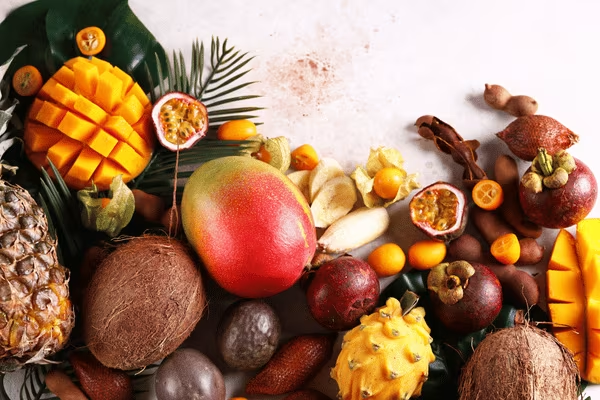
🍋🟩 Other fruit varieties to discover
In Martinique, seasonal fruits and vegetables play an essential role in everyday life and local culture. Thanks to a warm and humid tropical climate all year round, the island enjoys a wide variety of agricultural products, grown throughout the seasons and available at markets, from producers, or at roadside stands.
Each season brings its own selection of local fruits and vegetables: nutritious root vegetables, fresh vegetables, and flavorful tropical fruits. This seasonality shapes local eating habits and allows people to consume ripe produce, which is often more nutritious. Discovering seasonal fruits and vegetables in Martinique also means understanding the close link between the land, the climate, and the cuisine, and adopting a more authentic and responsible way of eating on the island.
Here is a non-exhaustive list of varieties to discover during your stay:
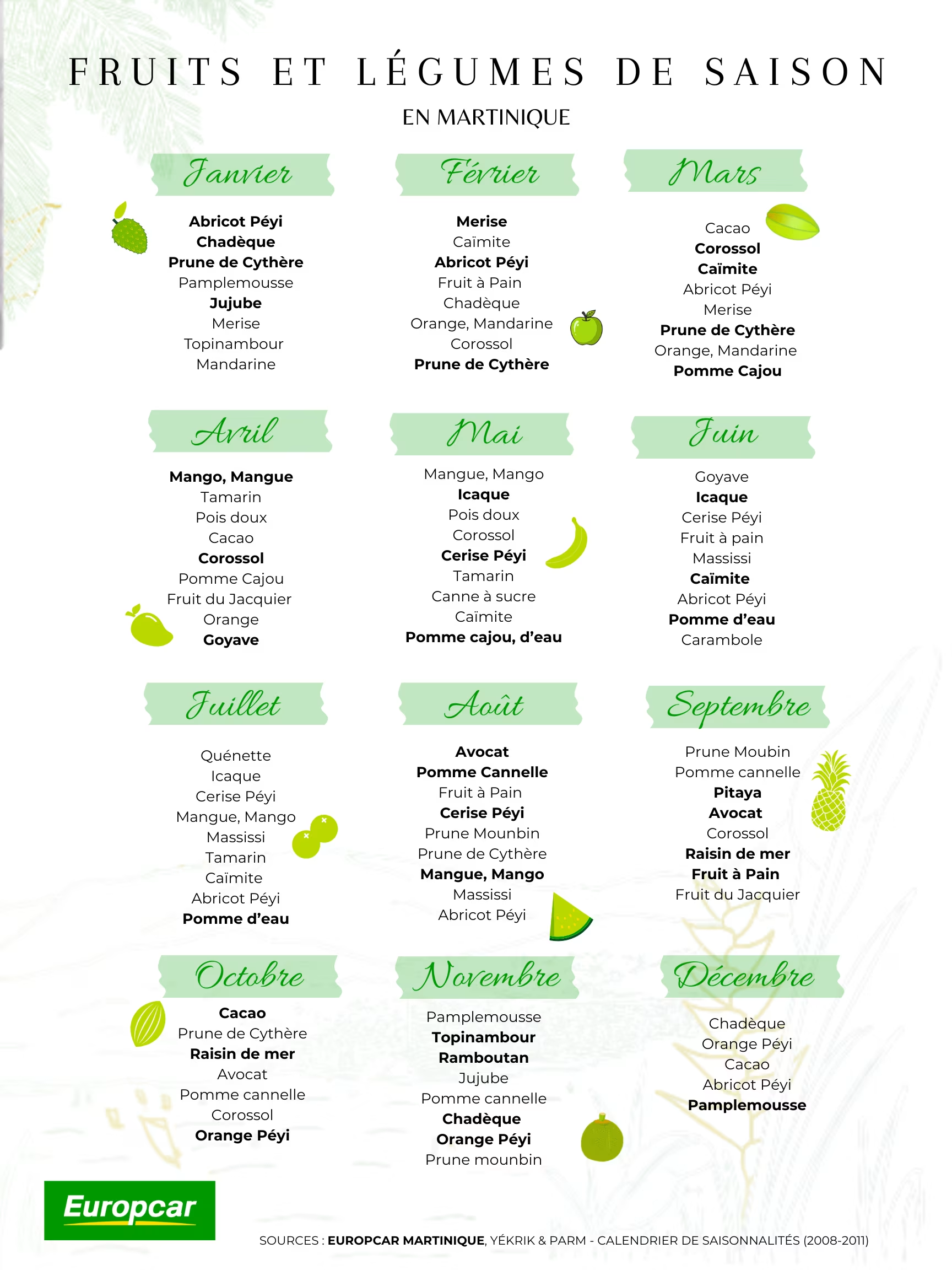
Download the PDF of Seasonal Fruits and Vegetables in Martinique below.
seasonal fruits and vegetables europcar Martinique


Discover other fruits and vegetables available year-round in Martinique
Cresson : Grown in wetlands, watercress is a leafy vegetable with a slightly peppery taste. Nutritional data indicates that it is rich in vitamin C, vitamin A, and minerals, which explains its reputation as a "tonic" vegetable.
Dachine : The dachine is a traditional tuber with white or slightly pink flesh. Floury after cooking, it is a source of starch, fiber, and potassium, providing lasting energy.
Giraumon: Giraumon is a squash with bright orange flesh that is slightly sweet. It is known for its beta-carotene content (a precursor to vitamin A), as well as its fiber and potassium content, according to the attachment.
Okra: Okra is recognizable by its slightly slimy texture after cooking. It is rich in fiber, contains B vitamins, and aids in proper digestive function.
Yam: Yam is an ancient staple food. Its dense, starchy flesh provides mainly complex carbohydrates, fiber, and potassium, making it a filling food.
Guava: Guava has pink or white flesh that is very fragrant. Nutritional data shows that it is high in vitamin C, fiber, and antioxidants, making it one of the most nutritionally beneficial fruits.
Papaya: Papaya is distinguished by its orange, melt-in-the-mouth flesh. It is rich in vitamin C, vitamin A, fiber, and digestive enzymes, which aid digestion.
Cassava (kamanioc): Cassava has been cultivated for centuries in the Caribbean. Its root is rich in carbohydrates, providing significant energy, with a moderate fiber content.
Melon: Martinique melons are juicy and sweet. They are rich in water, vitamin A, and vitamin C, contributing to hydration and micronutrient intake.
Maracudja (passion fruit): Maracudja has a tart, aromatic pulp. Data shows that it has a high fiber, vitamin C, and antioxidant content.
Sweet potato: Sweet potatoes are eaten in various forms. Their flesh can be orange or white. They provide complex carbohydrates, fiber, and beta-carotene.
Liana apple: Similar to passion fruit, liana apples have a gelatinous, fragrant pulp. They are rich in fiber and vitamin C.
Pigeon pea: A traditional legume, pigeon peas are eaten fresh or dried. They provide plant protein, fiber, and minerals.
Coconut: Coconuts are ubiquitous in Martinique. Their flesh is rich in lipids, fiber, and minerals, while their water helps keep you hydrated.
Sapodilla: Sapodillas have brown flesh that is very sweet and melt-in-the-mouth. According to available data, they provide carbohydrates, fiber, and minerals, while being higher in calories than the average fruit.
Where to buy fruit and vegetables in Martinique: markets and must-visit places
Our selection of places for fruit tastings in Martinique
In Martinique, buying fruit and vegetables is not limited to supermarket shelves.
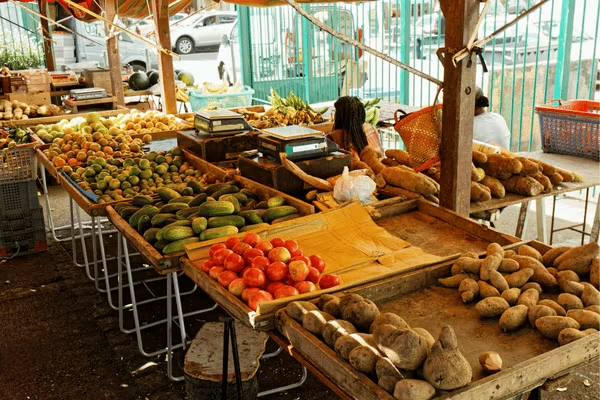
Traditional markets
Markets are the best places to discover the diversity of seasonal fruits and vegetables in Martinique. The Grand Marché in Fort-de-France, also known as the spice market, is one of the best known. It offers a wide selection of tropical fruits, local vegetables, aromatic herbs, and processed products. The Marin Market in the south of the island is also a favorite among locals and visitors alike, offering a wide variety of fresh produce from the surrounding communities. In the north, the Saint-Pierre Market is the place to stock up on local fruits, vegetables, and root vegetables while enjoying the historic setting.
Roadside stands
All over the island, especially on secondary roads and at the entrance to towns, many producers set up roadside stands. These informal outlets sell locally grown fruit and vegetables: bananas, pineapples, giraumon squash, yams, christophine squash, and citrus fruits.
Neighborhood and community markets
Many towns organize local markets, which are smaller but just as authentic. These can be found in Sainte-Anne, Trinité, Le Lamentin, and Rivière-Pilote, among others. These markets reflect the seasonality of products and local eating habits.
Unusual places for fruit tastings in Martinique
Le verger de la Rhumerie Clément
Si vous avez l’occasion de visiter la Rhumerie Clément située sur la commune du François, ne manquez surtout pas de faire un tour dans le verger attenant à l’Habitation.
Vous y trouverez beaucoup de fruits et notamment un très vieux manguier ainsi qu’un tamarinier hors d’âge.
Dans le village Antan Lontan
Sur la route du Vauclin, en direction du Sud, arrêtez-vous au village « Antan Lontan » pour y découvrir un magnifique arboretum. Un parking est mis à votre disposition le long de la route.
Laissez-vous guider dans une promenade ombragée qui se terminera par la dégustation d’un jus de fruit maison. Ce jardin naturel est intégré dans la végétation littorale du sud de l'île. Il se situe face aux ilets du François et vous offre une magnifique vue panoramique.
Cet arboretum est amoureusement planté et soigné par un couple de passionnés. Lors de la balade, le guide présente les différents arbres et plantes de Martinique, dont beaucoup deviennent rares.
Les exploitations fruitières
Enfin, pensez également à visiter certaines exploitations spécialisées dans l’arboriculture fruitière comme « An Gryavla » au Robert, en direction du Vert Pré.

🚙 Getting around easily in Martinique
To explore the island easily, renting a car is still the best option. Europcar Martinique offers a wide selection of recent vehicles (economics cars, SUVs, utility vehicles) with agencies located at Aimé Césaire Airport and in strategic areas.











Sign up for our newsletter
And receive our promo codes and exclusive car rental offers in Martinique, delivered straight to your inbox.


