
The Quimbois in Martinique: Origins, Beliefs, and Traditions
In Martinique, it is not uncommon to hear people mention quimbois in everyday conversation. Some refer to a doll left by the roadside, objects placed at a crossroads or stories passed down from generation to generation. Behind these accounts lies a popular tradition that forms part of Martinique's cultural heritage.
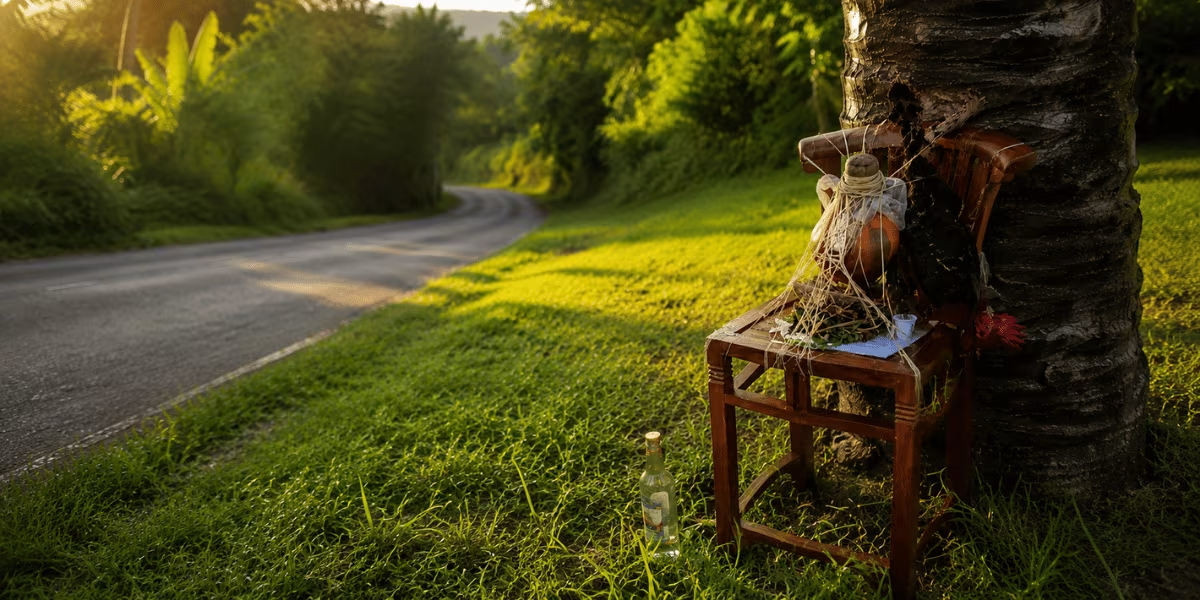
Arrangement observed along a roadside in Martinique, often associated with tjenbwa in local popular beliefs.
What is quimbois in Martinique?
Quimbois is a set of beliefs, spiritual practices, and folk traditions found in Martinique and on several islands in the Caribbean. It is rooted in African, European, and Caribbean influences. It is often associated with witchcraft or black magic in popular belief, but Quimbois is not limited to this aspect alone. It also encompasses practices of healing, protection, and spiritual mediation.
A shared cultural heritage
Known as tjenbwa in Martinican Creole (also spelled kenbwa or kinbwa, depending on the source), quimbois traces part of its origins to the spiritual traditions brought from Africa by enslaved people. Over time, these beliefs blended with local knowledge, medicinal plants and European influences, giving rise to a unique expression of Creole culture.
Quimbois shares some of its roots with other spiritual traditions that emerged within the African diaspora, such as Obeah in several English-speaking Caribbean islands and Vodou as practised in Haiti and Benin. Although these traditions differ in many ways, they share African roots and a history shaped by slavery.
What is a "quimboiseur"?
Known as a tjenbwazè in Martinican Creole, a quimboiseur is someone believed to possess knowledge of quimbois. Depending on local beliefs, they may be consulted for advice, spiritual protection or traditional remedies. Their role and the way they are perceived vary from one family and community to another.
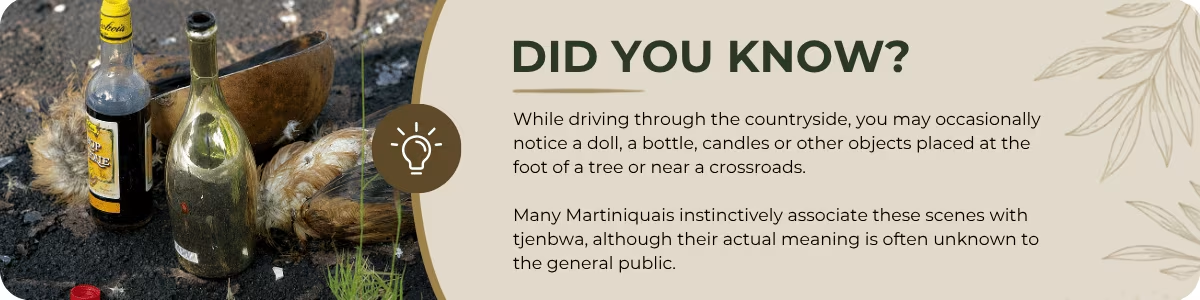
💡 Did you know that while driving through the countryside, you may occasionally notice a doll, a bottle, candles or other objects placed at the foot of a tree or near a crossroads. Many Martiniquais instinctively instinctively associate these scenes with a tjenbwa ritual, event though their actual meaning is often unknown to the general public.
Discovering Martinique also means discovering its culture
Martinique is much more than its beaches and breathtaking landscapes. Its history, traditions and beliefs are also an essential part of its identity.
As you explore the island, you'll discover a rich culture shaped by centuries of history. Quimbois is just one of its many facets, alongside the Creole language, traditional stories, iconic music such as bèlè and zouk, and the island's local craftsmanship.

Traditions of Martinique
Carnival, cuisine, traditional sailing, traditional dress, Chanté Nwel… Discover the traditions that showcase the richness of Martinique’s cultural heritage.
Bèlè in Martinique
Discover bèlè, an iconic Martinican cultural tradition combining music, song and dance, and explore its origins and traditions.
Martinican Creole
Learn about the origins of Martinican Creole, its history and its importance in the island's culture.
Kassav and Zouk
Kassava, the zouk group derived its name, is a cassava flour pancake.Reserve your rental car in Martinique and find everywhere on the island, the Caribbean traditions that are largely responsible for Kassav.

Sign up for our newsletter
And receive our promo codes and exclusive car rental offers in Martinique, delivered straight to your inbox.


